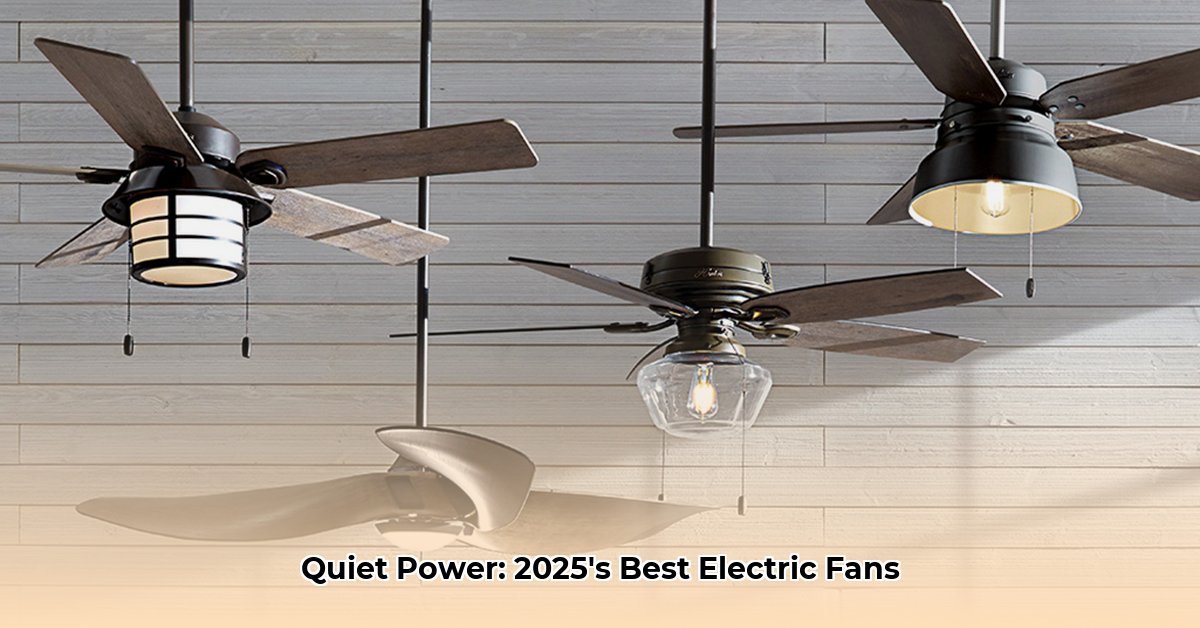
What to Consider When Buying an Electric Fan
Summer heat relentless? Choosing the right electric fan can transform your comfort. This guide simplifies the process, helping you select the perfect fan for your needs – whether it's quiet operation, powerful airflow, or superior energy efficiency. We'll explore key features, offer top recommendations, and make your decision a breeze. For more expert advice, check out this helpful resource on electric fans.
Airflow: The Power of the Breeze
Airflow, measured in cubic feet per minute (CFM), determines the fan's cooling power. Higher CFM generally means a stronger breeze, ideal for larger rooms. However, be aware that stronger airflow often translates to increased noise. What CFM do you really need for your space?
Noise Levels: Peace and Quiet (or Not)
Noise, measured in decibels (dB), is a critical factor, especially for bedrooms. Lower dB ratings indicate quieter operation. A whisper is around 30 dB; a normal conversation is about 60 dB. Aim for a fan with a low dB rating, especially if nighttime use is important.
Energy Efficiency: Saving Money and the Planet
Energy efficiency, often indicated by wattage and Energy Star ratings, directly impacts your electricity bill. DC motor fans generally outperform AC motors in energy efficiency. Lower wattage translates to lower energy consumption and cost savings over time. How much energy do you want to conserve?
Smart Features: Convenience at Your Fingertips
Many fans offer additional features like oscillation (rotating airflow), timers, remote controls, and smart home integration. These add convenience but often increase the price. Weigh the benefits against the added cost. How important are these extra features to your overall comfort?
Fan Types: The Right Fit for Your Space
Different fan types suit various needs and spaces:
- Tower Fans: Space-saving and stylish, often ideal for smaller areas. Airflow might be less powerful compared to floor fans.
- Floor Fans: Powerful airflow, suitable for larger rooms. They're typically more adjustable than tower fans.
- Desk Fans: Compact and personal, perfect for individual cooling at a desk or on a nightstand. Airflow is usually less powerful than larger fans.
- Window Fans: Designed for ventilation by exchanging stale indoor air with fresh outdoor air, improving circulation and reducing humidity.
Which fan type best complements your home's design and your cooling requirements?
Cost and Warranty: Balancing Budget and Peace of Mind
Fan prices vary greatly. Compare prices across multiple retailers before purchasing. A longer warranty (2+ years or more) shows the manufacturer's confidence in the product's reliability. What's your ideal price range and how important is a lengthy warranty to you?
Top Fan Recommendations: Our Expert Picks
Note: Product availability and pricing change frequently. Check retailer websites for the most current information. This list is for illustrative purposes and does not constitute an endorsement.
Best Tower Fans (for Style and Space-Saving):
| Model | Key Features | Pros | Cons |
|---|---|---|---|
| [Model Name 1] | [Specific Features] | [List Pros] | [List Cons] |
| [Model Name 2] | [Specific Features] | [List Pros] | [List Cons] |
Best Desk Fans (for Personal Cooling):
| Model | Key Features | Pros | Cons |
|---|---|---|---|
| [Model Name 3] | [Specific Features] | [List Pros] | [List Cons] |
Best Energy-Efficient Fans (for Eco-Conscious Cooling):
| Model | Key Features | Pros | Cons |
|---|---|---|---|
| [Model Name 4] | [Specific Features] | [List Pros] | [List Cons] |
(Replace bracketed information with actual product details and links to retailer pages.)
Finding Your Perfect Breeze: The Final Word
Selecting the right fan is about balancing your wants, needs, and budget. Consider airflow, noise, energy efficiency, features, and cost. There's no single "best" fan, but by carefully weighing these factors, you can find the perfect cooling solution for your unique requirements. Stay cool!